The Importance of Window Tint
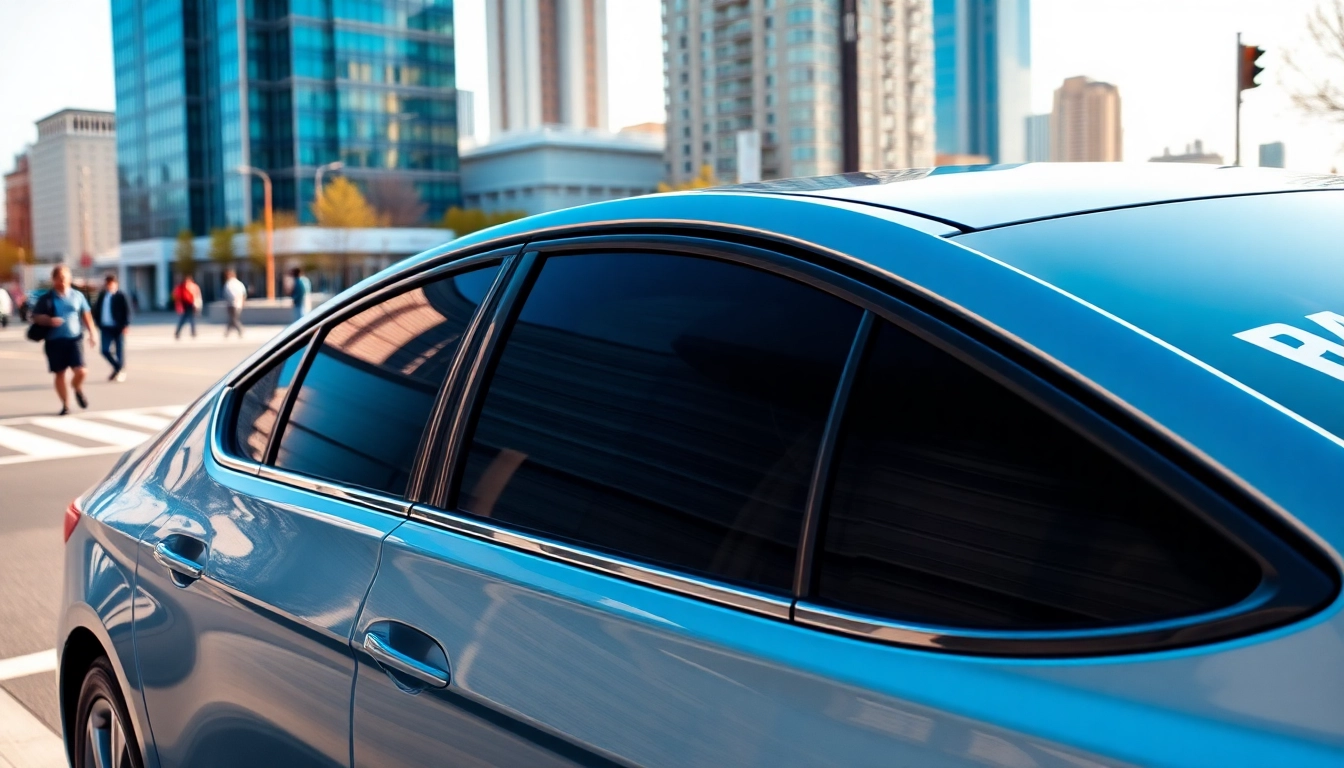
Window tinting is more than just an aesthetic enhancement for vehicles and buildings; it provides a multitude of practical benefits that significantly improve comfort, safety, and energy efficiency. Understanding window tint near me options will empower consumers to make informed decisions that cater to their specific needs.
Understanding Window Tint Benefits
Window tint serves several key functions, primarily focusing on heat reduction, glare reduction, UV protection, and increasing privacy. Heat reduction is particularly valuable in warmer climates, where the interior of a car can reach uncomfortable temperatures. Tinting can significantly lower these temperatures, making for a more enjoyable driving experience. Glare reduction improves visibility while driving under bright sunlight, contributing to increased safety.
Moreover, window tints can block up to 99% of harmful UV rays, which protects both occupants and interior upholstery from sun damage and fading. These benefits extend beyond personal comfort; the installation of window tint can also boost the longevity of your vehicle's interior, warding off the wear and tear caused by prolonged exposure to the sun.
Legal Regulations on Window Tint
While the advantages of window tint are clear, it's essential to be aware of the legal regulations concerning tint darkness and reflectivity, which vary by state. Each jurisdiction has specific laws on how dark your vehicle’s tint can be on front, rear, and side windows, as well as on windshields. Understanding these regulations is critical to avoid costly fines and ensure your compliance with local laws.
For instance, some states may allow darker tints for rear windows while requiring lighter tints on front windows. Checking your local regulations can help you choose a legal option that suits your style and needs.
Energy Savings Through Window Tint
Another compelling reason to invest in window tint is the potential energy savings. Tinted windows can reduce the reliance on air conditioning systems, as they keep the interior cooler by minimizing heat gain. This not only conserves energy but can also lower fuel costs for vehicles and reduce energy bills for buildings. Studies show that window tint can block up to 70% of solar heat, leading to substantial savings over time.
Additionally, a cooler interior means less strain on your vehicle's engine and HVAC system, which can enhance overall vehicle performance. In the realm of commercial buildings, energy-efficient window tint can be a key part of a business's sustainability strategy, reducing overall energy consumption and lowering operational expenses.
Types of Window Tint Available
Understanding the different types of window tint available can help individuals and businesses make informed choices about their tint installation. Each type has its unique properties and advantages, catering to various preferences and needs.
Differentiating Between Film Types
There are several types of window tint films, including dyed, metallic, ceramic, and spectrally selective tints. Dyed window tints work by absorbing sunlight, offering privacy and reducing glare. While they are generally the most cost-effective option, they do not possess the same heat-rejecting quality as higher-end films.
Metallic tints contain metal particles and provide enhanced heat rejection and UV ray protection. However, they can interfere with electronic signals, which may be a concern for those using GPS or mobile devices.
Ceramic window tints are among the most advanced options available today. They provide excellent heat rejection and UV protection while maintaining signal clarity for electronic devices. Spectrally selective tints are designed to filter specific wavelengths of light, allowing natural light in without excess heat, making them ideal for energy efficiency.
Choosing the Right Tint for Your Vehicle
Selecting the correct tint involves considering your driving habits, geographic location, and preferences for privacy and aesthetics. For example, individuals living in hotter climates may benefit more from high-performance ceramic tints that provide superior heat rejection. On the other hand, city dwellers seeking privacy might opt for darker dyed films. It's important to balance your needs with local regulations as well.
Engaging with experienced professionals can also assist in choosing the ideal type—knowledgeable technicians can offer insights based on their assessments of your vehicle and usage patterns.
Common Myths About Window Tinting
Several myths surrounding window tinting can lead to misunderstandings and hesitations for potential customers. One prevalent myth is that window tint is illegal, whereas, in fact, legality varies by region and properly understanding the laws can guide you in the right direction.
Another common misconception is that window tinting creates a dark, claustrophobic feeling within a vehicle, which is inaccurate with high-quality, light-enhancing films available today. Lastly, concerns about bubbling and peeling often stem from using inferior products or inexperienced installation, emphasizing the importance of professional services and quality materials.
How to Choose a Window Tint Service
Choosing the right window tinting service significantly impacts the quality, durability, and overall appearance of the installation. A thorough evaluation of local options will help ensure a satisfactory experience.
Researching Local Options for Window Tint Near Me
Utilizing search engines to research local services is an excellent starting point. Look for reviews on platforms like Google and Yelp, which can provide insights into customer experiences. Visiting the websites of local tinting businesses can also yield information about the types of films they offer, pricing, and any warranties provided.
Social media platforms can also be beneficial for research purposes. Engaging with community groups and forums can yield recommendations and insights from fellow consumers.
Factors to Consider When Selecting a Service
When considering a window tinting service, several key factors should be taken into account. First and foremost, experience and reputation matter. Choosing a company with a solid track record and positive customer feedback will generally lead to better results. Always verify that the technicians are certified and trained to handle various tinting films appropriately.
Additionally, you'll want to investigate warranties as they can provide peace of mind regarding the longevity and protection of the tint. Lastly, consider pricing, but do not base your decision solely on low cost. Opting for the cheapest option can lead to subpar results, while investing in quality installation can save money in the long run.
Reading Reviews and Ratings Effectively
When it comes to reading reviews, focusing on the most recent and detailed comments can reveal the strengths and weaknesses of a service. Look for patterns in reviews; multiple complaints about the same issue should raise red flags. Pay attention to commendations regarding customer service, installation quality, and materials used. Don't hesitate to ask the service provider for references to speak directly with past clients for firsthand accounts.
Installation Process Explained
Understanding the installation process can demystify the experience and set appropriate expectations for customers. A comprehensive overview will help clients prepare and anticipate the steps involved.
Pre-installation Preparation for Window Tint
Before installation, it's advisable to clean the windows thoroughly, ensuring no dust, dirt, or moisture is present. This helps the film adhere better and improves overall installation quality. Remove any stickers or decals from the windows to allow for a smooth surface.
Additionally, a good service will typically conduct a pre-installation inspection to ascertain the vehicle's requirements and the chosen tint type. This consideration aids the process by ensuring everything is in place before the actual application begins.
Step-by-step Installation Overview
The window tint installation process typically involves several defined steps:
- Measuring: Professionals will measure each window to cut the film accurately.
- Customization: The film is cut to size and prepared for application.
- Application: Using a specialized adhesive and lots of water, the film is carefully applied to the window.
- Trimming: Edges are meticulously trimmed for a clean finish.
- Drying: It’s essential to allow the film to dry properly, which may take hours, depending on climate.
Each step is critical; therefore, professional installations ensure adherence to best practices, resulting in long-lasting effects.
Post-installation Care Tips for Window Tint
Proper care following installation can extend the life and maintain the appearance of window tints. For the first few days, it's recommended to avoid rolling down the windows to allow the film to cure properly. After that initial period, regular cleaning with a soft, non-abrasive cloth and a gentle cleaner will keep the tint looking its best.
Avoid using ammonia-based products and harsh scrubbers, as these can damage the tint. Additionally, it's good practice to keep the windows clear of heavy objects that could potentially scratch or damage the film.
Frequently Asked Questions about Window Tint
What types of window tints are available?
There are dyed, metallic, ceramic, and spectrally selective window tints, each offering different advantages in terms of heat control, UV protection, and privacy.
How long does window tint installation take?
Installation can take anywhere from 1 to 4 hours, depending on the number of windows and the type of tint being applied.
Is window tinting legal in my area?
Legality varies by state. It’s important to check local regulations regarding the darkness and reflectivity of window tints before installation.
Can window tint affect visibility?
While darker tints can reduce visibility, high-quality films are designed to provide optimal clarity while controlling glare and heat.
What maintenance does window tint require?
Maintaining tints involves gentle cleaning with non-ammonia based products. Avoid rolling down windows for a few days after application to allow proper curing.