
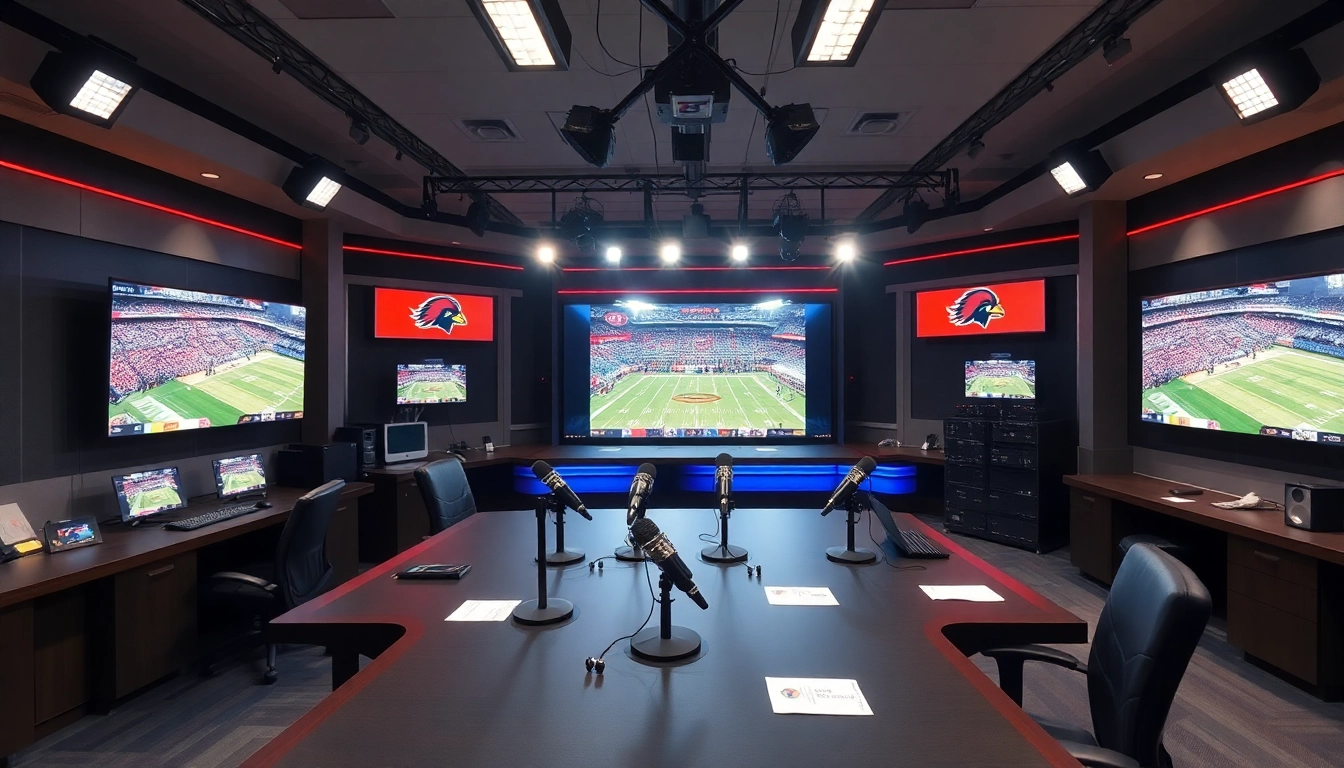
Understanding Sports Broadcasting
Sports broadcasting plays a pivotal role in how millions of fans connect with their favorite teams and athletes. It encompasses the live transmission of sporting events via television, radio, and more recently, the internet. As an ever-evolving industry, Sports Broadcasting integrates technology and content strategies to enhance viewer engagement. This article delves into the history, current trends, and future projections of sports broadcasting, offering valuable insights and best practices for professionals in the field.
History and Evolution of Sports Broadcasting
The journey of sports broadcasting began in the early 20th century, with radio being the first medium to bring live sporting events to audiences. The first major sports broadcast occurred in 1921 with a boxing match, paving the way for radio broadcasts of baseball games in the 1930s. The introduction of television in the mid-20th century revolutionized the industry, allowing fans to experience games in their living rooms.
As technology progressed, cable television brought a wider array of sports content, providing viewers with niche channels dedicated to specific sports. The rise of satellite broadcasting in the 1990s further expanded access to live sports. The advent of the internet and streaming services in the 2000s added another dimension, enabling fans to watch games on-demand and from various devices.
Key Components of Sports Broadcasting
Understanding the essential components of sports broadcasting is crucial for effective operation. Key elements include:
- Content Creation: Producing engaging narratives around events, players, and teams that resonate with the audience.
- Production: The technical aspect of broadcasting includes video, audio, and graphics design to enhance viewer experience.
- Distribution: The channels through which content reaches its audience, including cable, satellite, and online platforms.
- Marketing and Promotion: Strategies to attract viewers and retain them through engaging marketing campaigns.
- Analytics: Utilizing data tools to monitor viewer engagement, preferences, and behaviors for continuous improvement.
The Role of Technology in Sports Broadcasting
Technology has profoundly impacted sports broadcasting, shaping how content is produced and consumed. Innovations include high-definition video, cloud computing, and advanced graphics. Technologies such as augmented reality (AR) and virtual reality (VR) enhance viewer experiences by providing immersive and interactive coverage.
Live streaming platforms have made sports accessible to a global audience, breaking geographical barriers. Furthermore, social media integrations allow fans to engage in real-time discussions during games, enhancing the overall experience.
Current Trends in Sports Broadcasting
Rising Popularity of Live Streaming
Live streaming has surged in popularity, with more fans preferring to watch sports on their devices rather than traditional television. Networks and sports leagues have adapted by offering dedicated streaming services. This trend caters to the needs of a younger audience that values flexibility and accessibility in content consumption.
Platforms like YouTube and Twitch have also entered the sports broadcasting space, providing interactive features that enhance viewer engagement. As more people turn to the internet to watch their favorite sports, traditional broadcasters are compelled to evolve their strategies accordingly.
Impact of Social Media on Sports Broadcasting
Social media platforms have transformed how sports content is shared and consumed. Fans interact directly with teams and athletes, and user-generated content increases engagement levels. Broadcasters utilize social media for real-time updates, behind-the-scenes content, and interactive polls during games.
Moreover, partnerships with influencers and leveraged hashtag campaigns help to enhance visibility and audience reach. In essence, social media has become an integral part of the sports broadcasting ecosystem, helping to drive viewership and foster community around sporting events.
Emphasis on Interactive and Engaging Content
Today's audience desires more than just passive viewing; they crave interaction. The focus on engaging content has led broadcasters to adopt various strategies, including live Q&A sessions, viewer polls, and gamified experiences. Broadcasters are also producing companion content, such as podcasts and highlight reels, to keep the audience engaged beyond live events.
Emphasizing storytelling, broadcasters are creating documentaries and in-depth features about athletes and teams, allowing fans to form deeper connections. This approach not only enriches the viewing experience but also attracts new audiences.
Challenges Facing Sports Broadcasting
Navigating Rights and Regulations
The sports broadcasting industry faces significant challenges in navigating rights and regulations. With various stakeholders involved, including leagues, teams, and media companies, securing broadcasting rights can be complex. Additionally, regulations may vary by region, impacting how content is distributed.
Broadcasters must stay abreast of legal changes and negotiate contracts that respect intellectual property rights while maximizing reach. Understanding these dynamics is crucial for success in the sports broadcasting landscape.
Maintaining Viewer Engagement
In an era of content overload, maintaining viewer engagement presents a formidable challenge. With numerous entertainment options available, sports broadcasters must constantly innovate to capture and retain audience interest. Factors such as schedule conflicts, changes in viewing habits, and competition from other genres require strategic responses.
Leveraging analytics, broadcasters can monitor viewer behavior and preferences, facilitating the creation of tailored content that resonates with specific demographics. Building a strong relationship with the audience is essential for long-term success.
Technical Challenges in Broadcasting
Technical challenges can significantly impact the quality of sports broadcasts. Issues such as transmission failures, signal loss, and latency can hinder viewer experience. Additionally, ensuring content is presented in high quality across various platforms requires robust infrastructure and technological capabilities.
Investments in technology and skilled professionals are necessary to mitigate these challenges. Regular testing, maintenance, and upgrades to broadcasting equipment can help ensure smooth operations during live events.
Best Practices for Effective Sports Broadcasting
Strategies for High-Quality Production
Delivering high-quality sports broadcasts begins with meticulous planning and execution. Key strategies include investing in state-of-the-art equipment, hiring skilled production staff, and developing clear communication strategies for crews involved in live events.
Incorporating multi-camera setups and utilizing advanced graphic technologies can create immersive viewing experiences. Post-production editing plays a critical role in enhancing the final output, allowing for seamless transitions and engaging storytelling.
Building a Strong Brand in Sports Broadcasting
Branding is essential in sports broadcasting, as networks and streaming services compete for viewer loyalty. A strong brand resonates with audiences through consistent messaging, a clear vision, and relatable content. Investing in community initiatives and supporting local teams can enhance brand recognition and goodwill.
Utilizing effective marketing strategies, including collaborations and targeted campaigns, can help reach new audiences while retaining current viewers. Engaging actively on social media can further bolster brand presence, making it a recognizable name in sports broadcasting.
Utilizing Analytics to Enhance Viewer Experience
Analytics have revolutionized sports broadcasting. By gathering data on viewer preferences and behaviors, broadcasters can tailor content to better meet audience demands. Key performance indicators (KPIs) such as viewer engagement rates, demographic insights, and feedback can guide strategic decisions.
Employing analytics tools can also help in assessing the success of promotional strategies, enabling iterative improvements. Understanding viewer preferences allows broadcasters to innovate and create more enjoyable viewing experiences, fostering long-term loyalty.
Future Predictions for Sports Broadcasting
Emerging Technologies Shaping the Future
As technology advances, the landscape of sports broadcasting is poised for transformation. AI-driven analytics, machine learning, and blockchain technology are among the emerging trends expected to shape the future. AI can personalize content recommendations, while machine learning can optimize scheduling and audience outreach.
Blockchain may enhance security in content distribution and copyrighting, offering transparent transactions and ownership records. As these technologies are adopted, they will innovate how sports content is created, distributed, and monetized.
Changing Audience Demographics and Preferences
The demographic composition of sports audiences is evolving, with younger generations showing different preferences compared to older viewers. Millennials and Generation Z value authenticity, inclusivity, and social responsibility, which influence their content choices.
Understanding these shifts is crucial for broadcasters looking to connect with new audiences. Tailoring content to represent diverse cultures and perspectives will be essential to remain relevant in the changing landscape of sports broadcasting.
Potential Evolution of Broadcasting Partnerships
The future of sports broadcasting is likely to see an evolution in partnerships. As traditional media companies merge with tech platforms, the convergence of services will offer new opportunities for content distribution. Innovative partnerships can extend reach through collaborative content creation and cross-promotion.
Additionally, leveraging data-driven insights from multiple stakeholders can enhance strategies, leading to improved viewer engagement and satisfaction. Successful collaborations will focus on adding value to the audience while aligning with the greater objectives of enhancing sport visibility and access.
Frequently Asked Questions
What is sports broadcasting?
Sports broadcasting refers to the transmission of live sports events, commentary, and analysis through various media, including television, radio, and online platforms.
How has technology impacted sports broadcasting?
Technology has enhanced sports broadcasting through high-definition coverage, live streaming capabilities, and advanced graphics, improving viewer engagement and access.
What are some current trends in sports broadcasting?
Current trends include the rise of live streaming, increased use of social media, and a focus on creating interactive and engaging content for viewers.
What challenges do sports broadcasters face?
Challenges include navigating broadcasting rights and regulations, maintaining viewer engagement, and addressing technical issues that may arise during live events.
How can analytics improve sports broadcasting?
Analytics help broadcasters monitor viewer behavior, tailor content to audience preferences, and evaluate the success of marketing efforts, enhancing overall viewer experience.